Redesigning a POS Platform to Boost User Adoption

Redesigning a POS Platform to Boost User Adoption

My Role

Product Designer — User Research, Feature Scoping, Prototyping, User Interface Design, User Testing

Team

Jayson Ong, Design Lead
Mark Ong, Product Designer

Timeline & Status

Apr - Jun 2021 (8 weeks)
Launched in Dec 2021

Overview

Following M1 Limited’s announcement of its rebranding and digital transformation, the company set out to introduce a suite of digital tools aimed at enhancing its services.

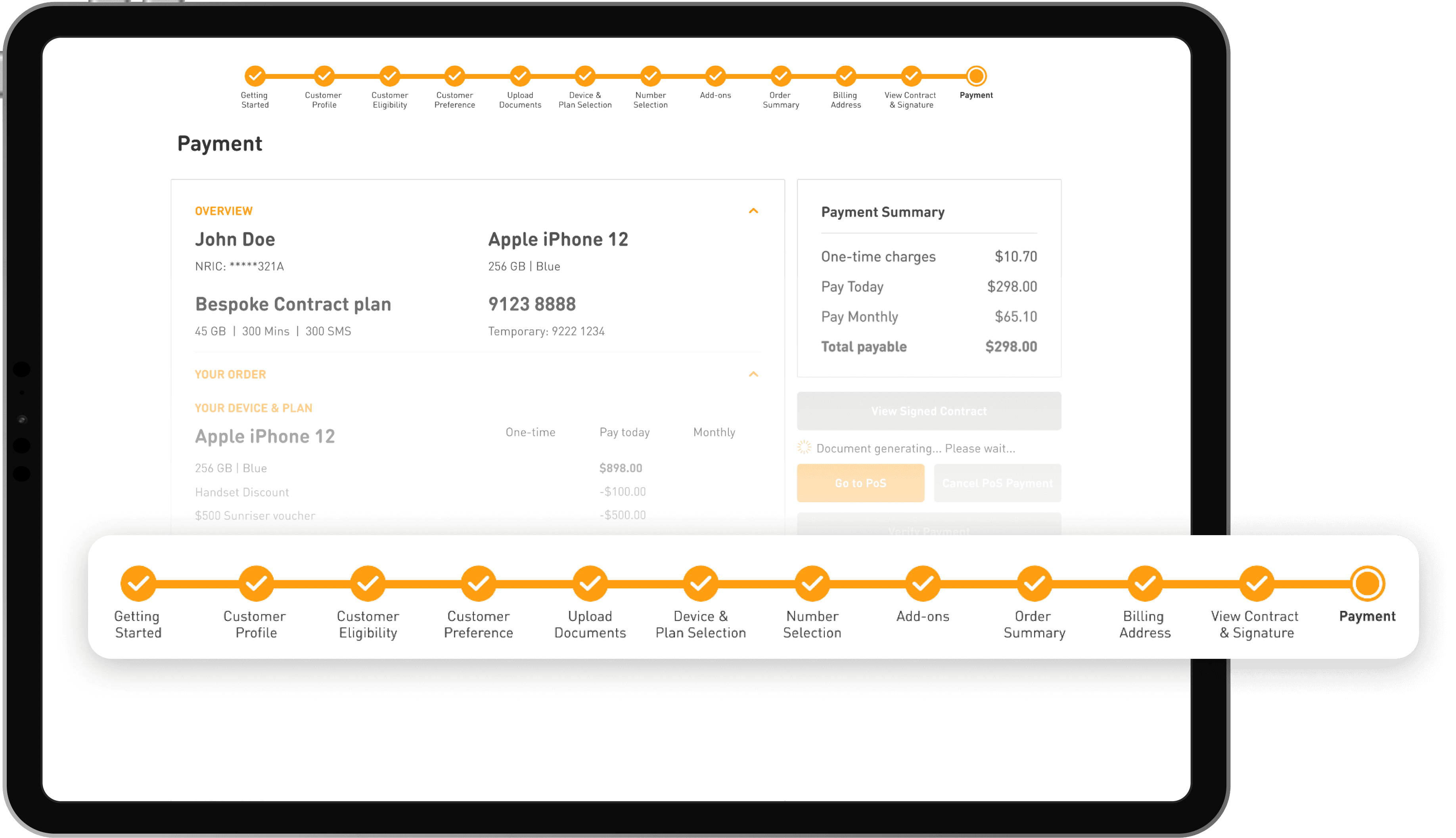
I played a key role in redesigning their digital point-of-sale (POS) platform for retail operations, empowering employees to deliver faster, more personalised customer experiences.

The redesign was met with high praise from stakeholders and employees alike, achieving a 30% reduction in the sales process steps and at least 40% time savings for customers.
THE PROBLEM

More than 70% of employees Are Refusing to Adopt the New POS Platform

One of the company's first steps towards digitalisation was launching a new POS platform to assist retail employees in managing and processing customer transactions. However, many employees voiced dissatisfaction, resulting in low adoption rates and scepticism about integrating it into their customer service processes.

THE PROBLEM

More than 70% of employees Are Refusing to Adopt the New POS Platform

One of the company's first steps towards digitalisation was launching a new POS platform to assist retail employees in managing and processing customer transactions. However, many employees voiced dissatisfaction, resulting in low adoption rates and scepticism about integrating it into their customer service processes.

DISCOVERY

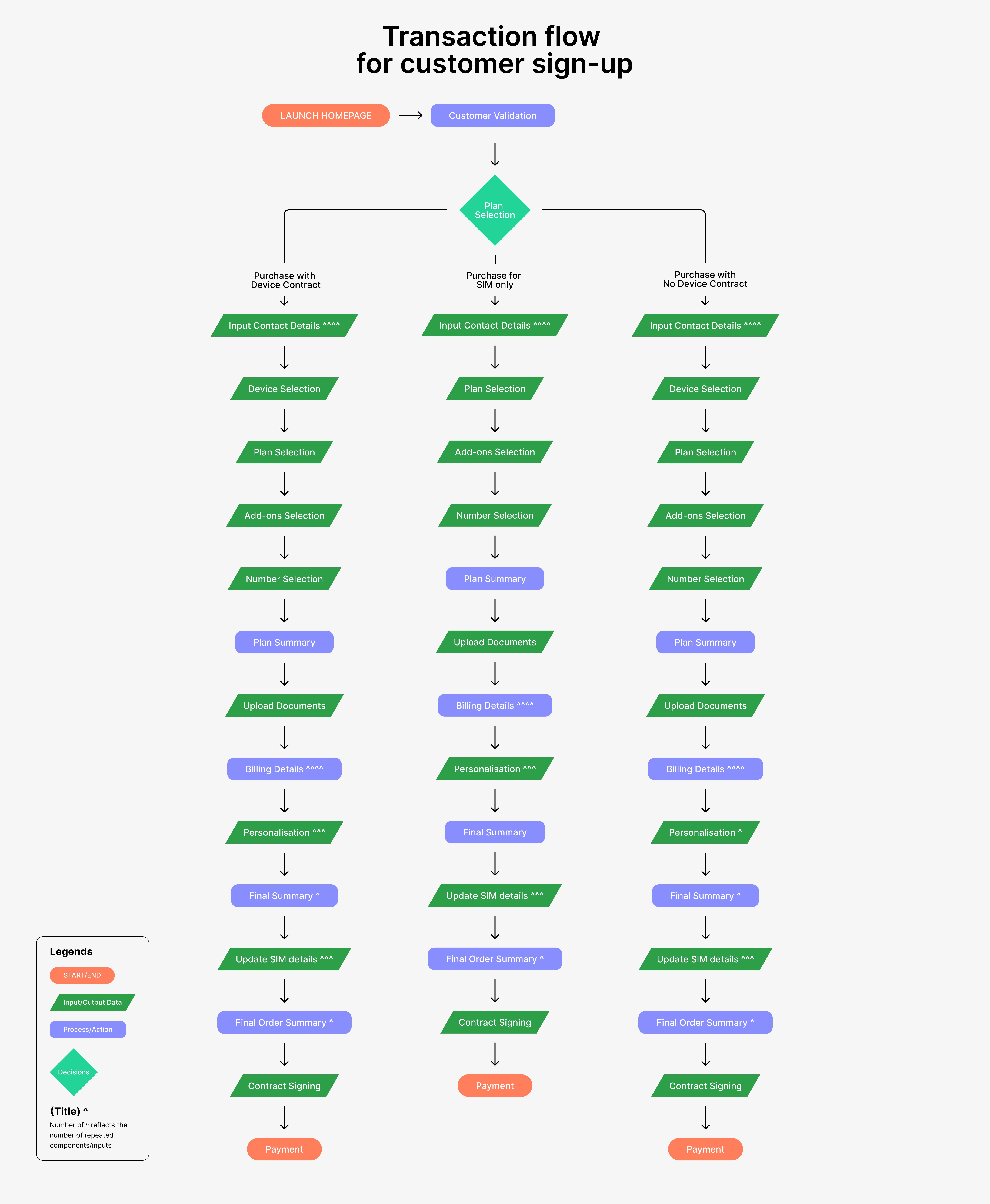
Existing POS Flows Contained Repeated Steps & Inputs

We started by mapping the primary transaction flows handled by the platform and identified numerous repeated steps and inputs. For instance, during one specific journey, I was required to input my email address at four different stages.

This level of repetition could contribute to frustration and hinder employee adoption of the platform. However, further research was necessary to validate this assumption and uncover additional insights.

DISCOVERY

Existing POS Flows Contained Repeated Steps & Inputs

We started by mapping the primary transaction flows handled by the platform and identified numerous repeated steps and inputs. For instance, during one specific journey, I was required to input my email address at four different stages.

This level of repetition could contribute to frustration and hinder employee adoption of the platform. However, further research was necessary to validate this assumption and uncover additional insights.

INTERVIEWS & OBSERVATIONS

Employees Feel the POS Platform is Slowing Them Down

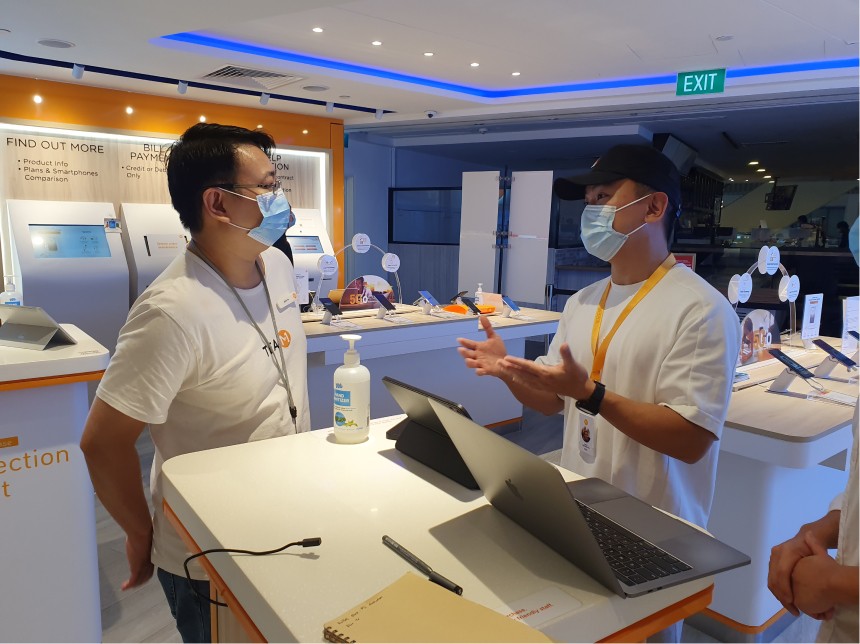
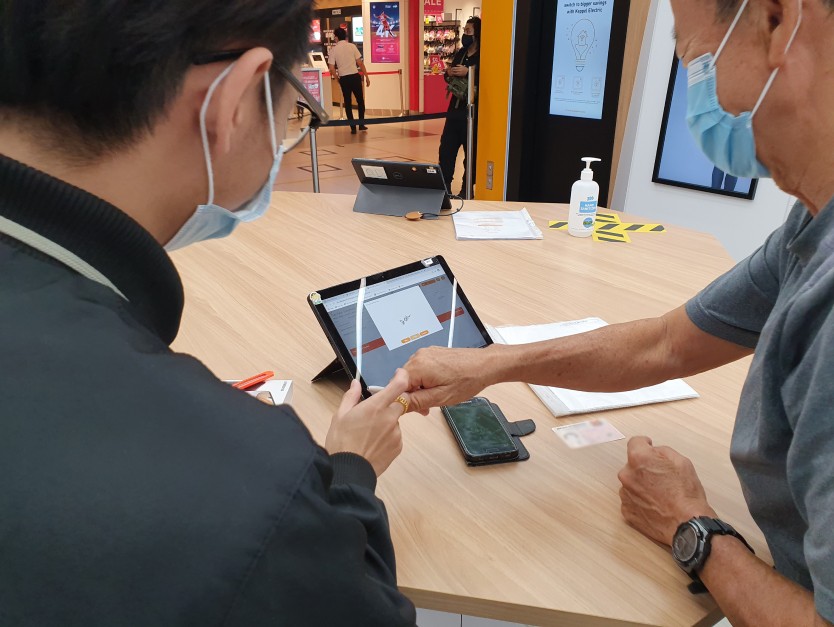
To better understand employees’ pain points and expectations, we conducted an in-depth research sprint. This included observing on-the-ground processes and interviewing employees who had used the platform.
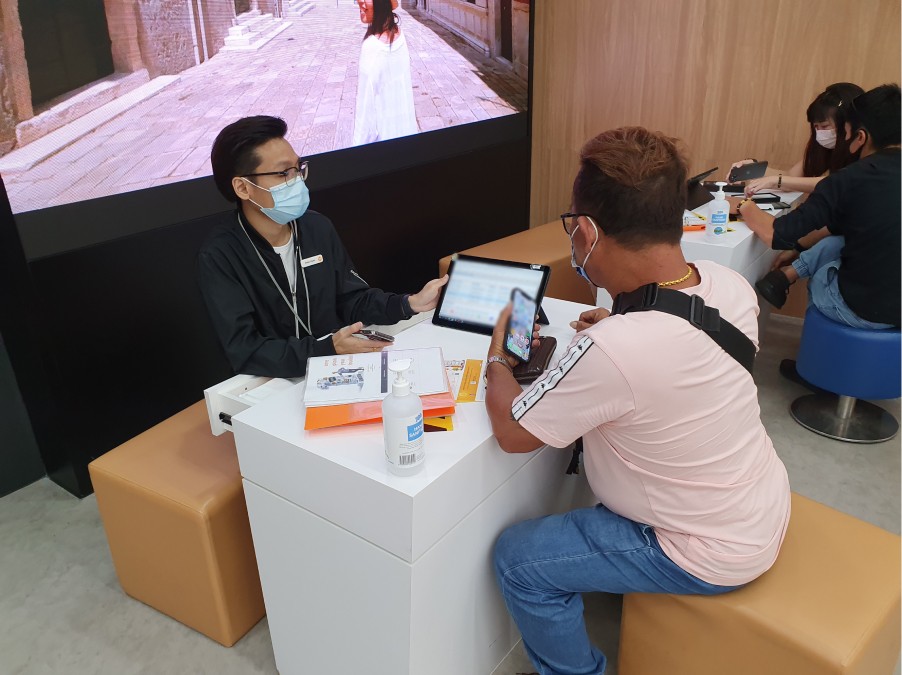
We observed how employees use the platform in normal interaction with customers
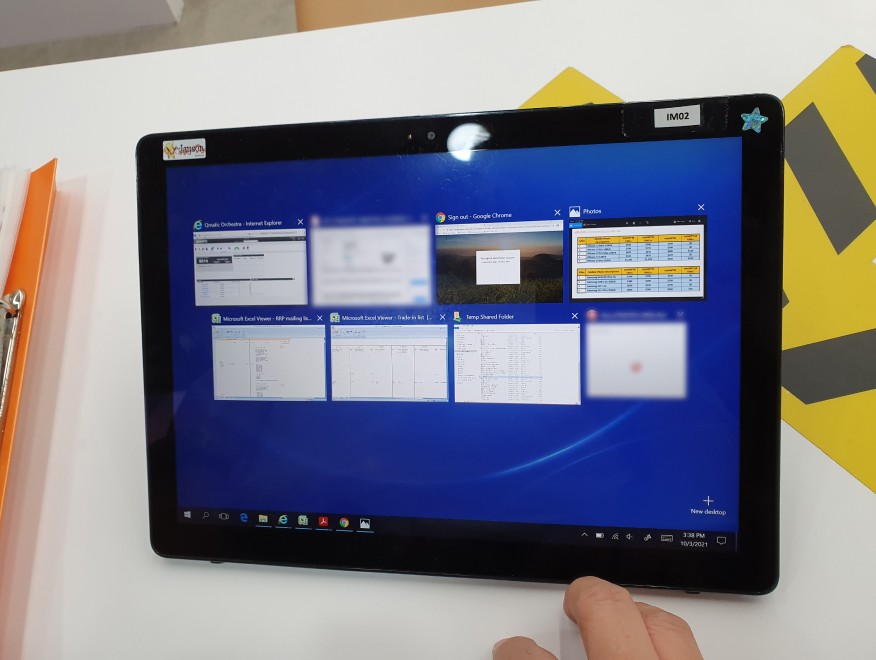
We noticed employees are juggling between multiple tabs and documents on the tablet during their shift

Based on our interviews, employees reported that the new POS system was poorly implemented, introduced unnecessary steps, and caused inconvenience in their current workflows
DATA SYNTHESIS

Transparency & Usability as Key Challenges towards Platform Adoption

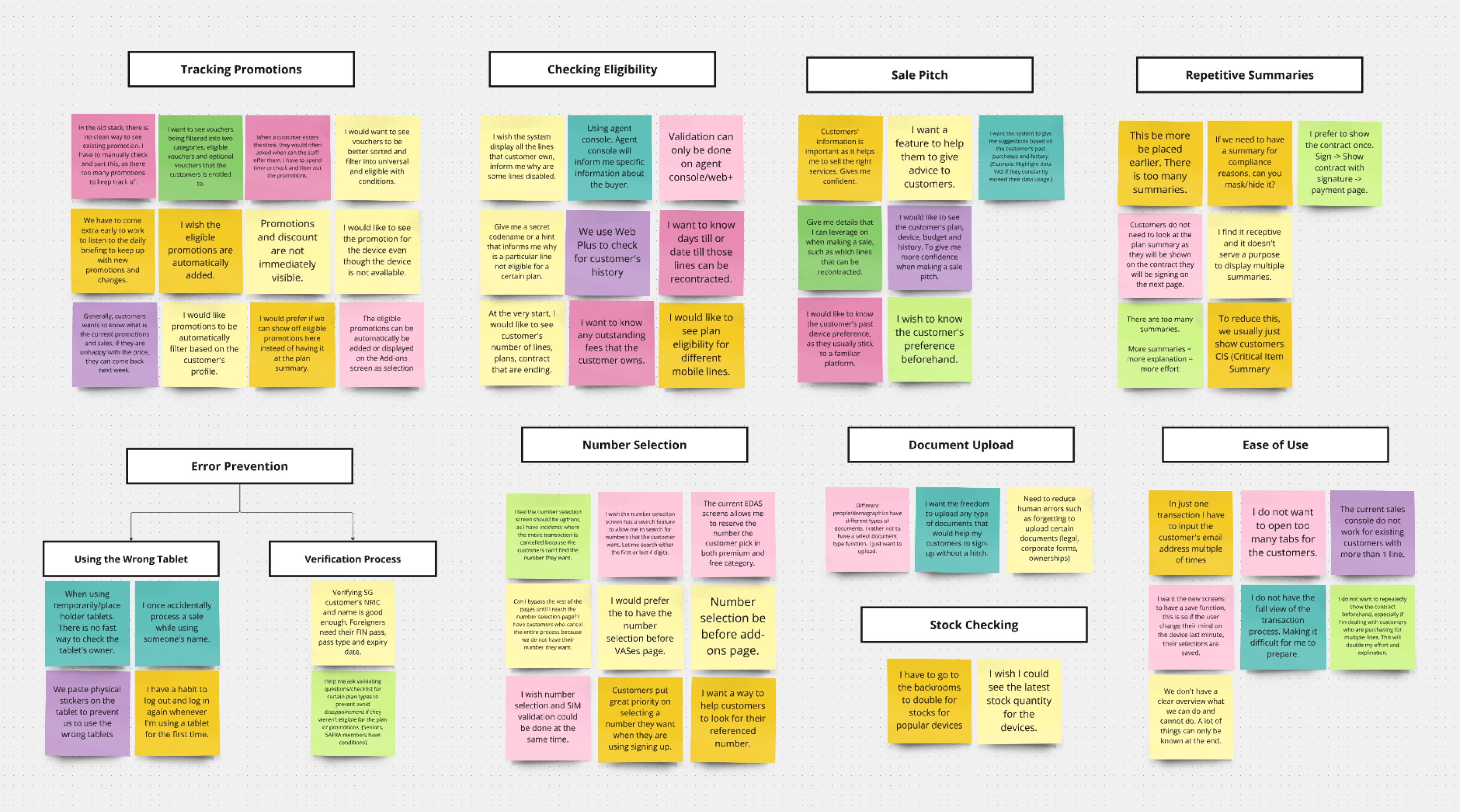
From the data gathered from our research we created an affinity map, grouping findings into common themes to identify common friction points and areas for improvement.


We noticed a recurring trend that ties most of the frustration experienced by employees was the lack of information transparency and poor usability of the platform. It discourage them from integrating it into their workflows. Below are some of the primary pain points we sought to address:

DATA SYNTHESIS

Transparency & Usability as Key Challenges towards Platform Adoption

From the data gathered from our research we created an affinity map, grouping findings into common themes to identify common friction points and areas for improvement.


We noticed a recurring trend that ties most of the frustration experienced by employees was the lack of information transparency and poor usability of the platform. It discourage them from integrating it into their workflows. Below are some of the primary pain points we sought to address:

DATA SYNTHESIS

Transparency & Usability as Key Challenges towards Platform Adoption

From the data gathered from our research we created an affinity map, grouping findings into common themes to identify common friction points and areas for improvement.


We noticed a recurring trend that ties most of the frustration experienced by employees was the lack of information transparency and poor usability of the platform. It discourage them from integrating it into their workflows. Below are some of the primary pain points we sought to address:

Difficulty Managing Promotions
Employees are required to track the extensive list of promotions and their frequently changing conditions.

Disorganised Onboarding
Employees had to mentally juggle a laundry list of checks to onboard customers. Many of these critical details are not shown on the platform.

Poorly Optimised Journey
Employees commonly reported that the new transaction process was excessively long and contain numerous repetitive steps.

SOLUTION

Enhance Information Accessibility & Improve Platform Usability

With the findings in mind, we focused on redesigning the platform to streamline decision-making, increase information accessibility, and reduce users’ cognitive load.
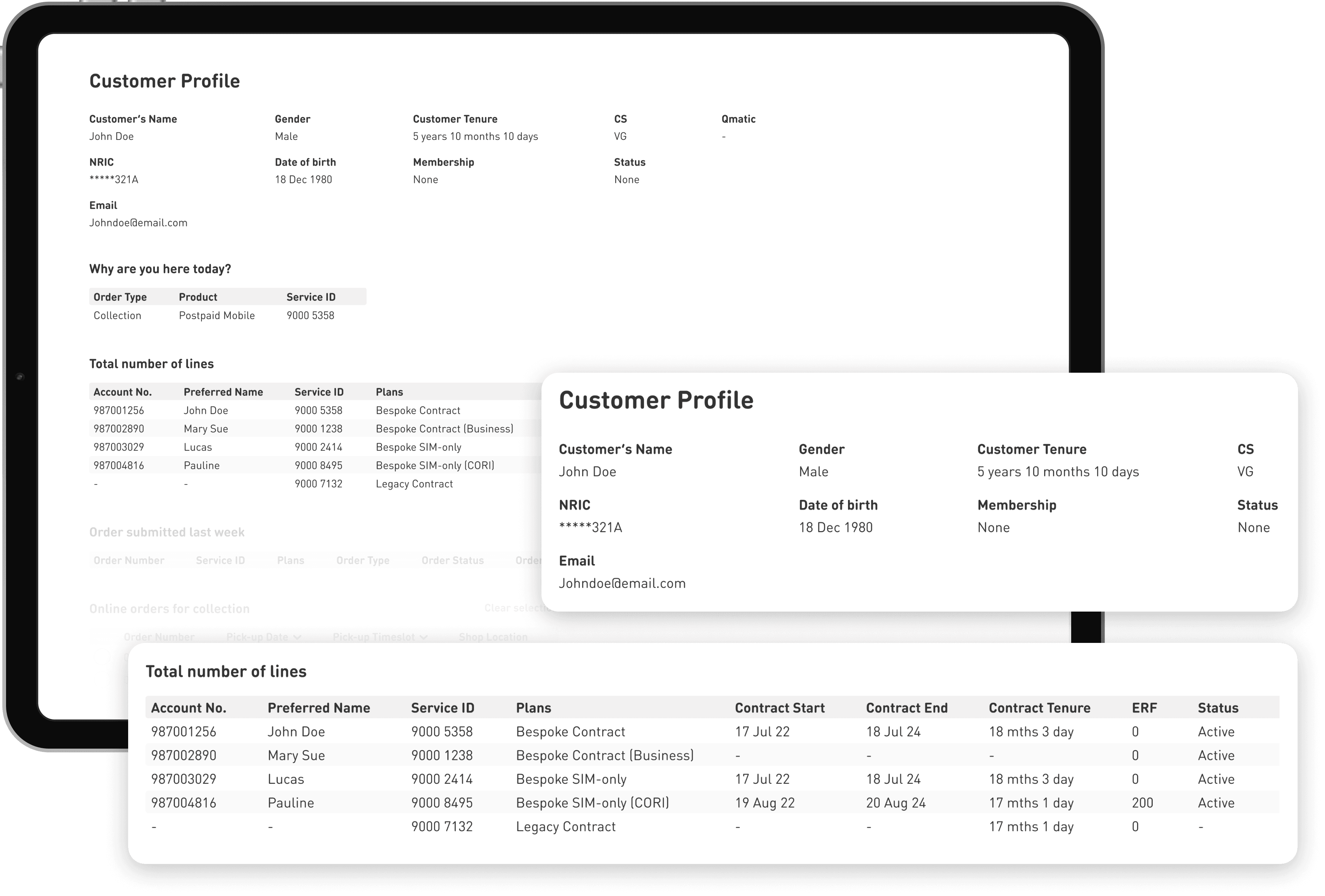
Increase Information Transparency

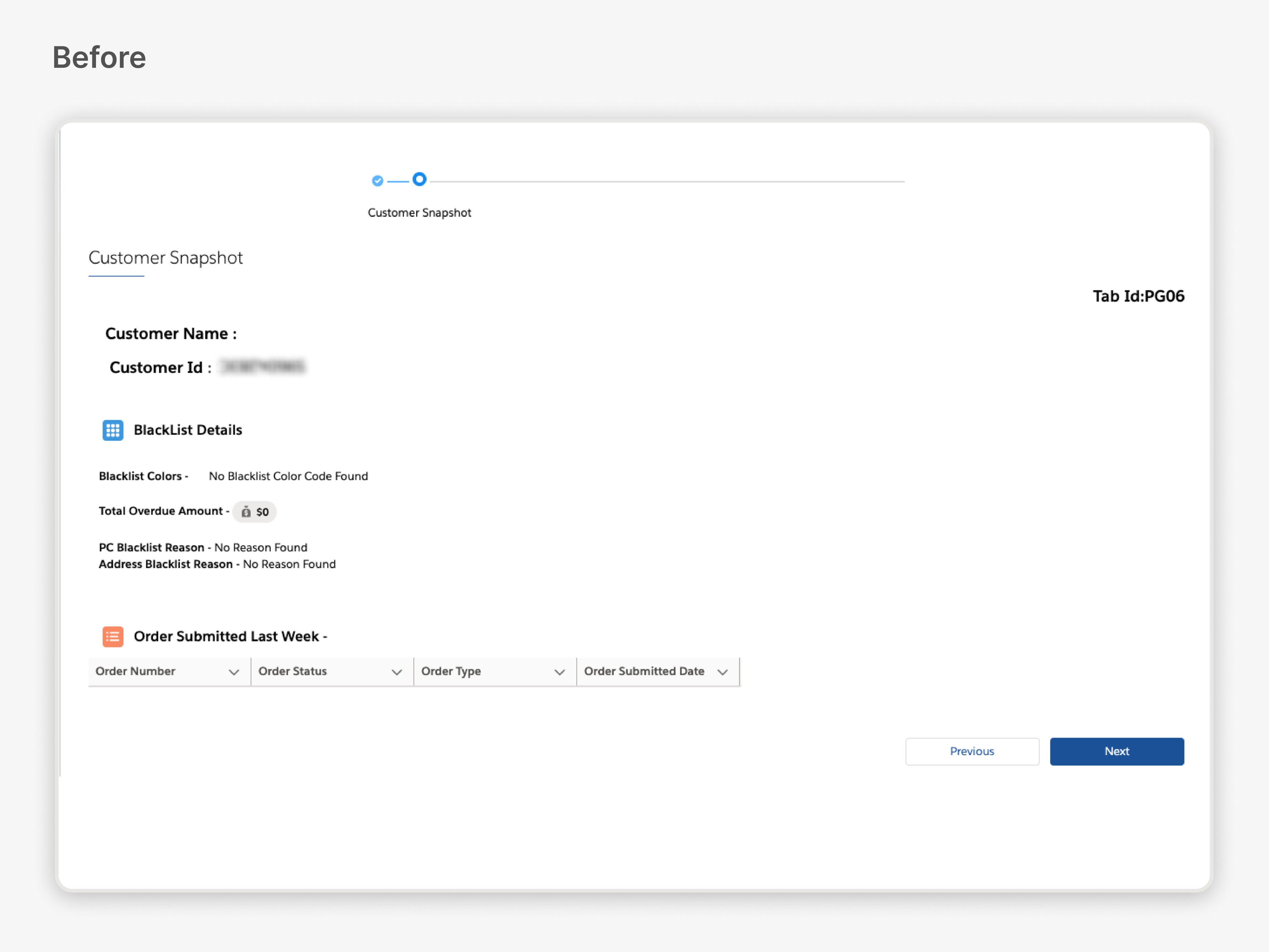
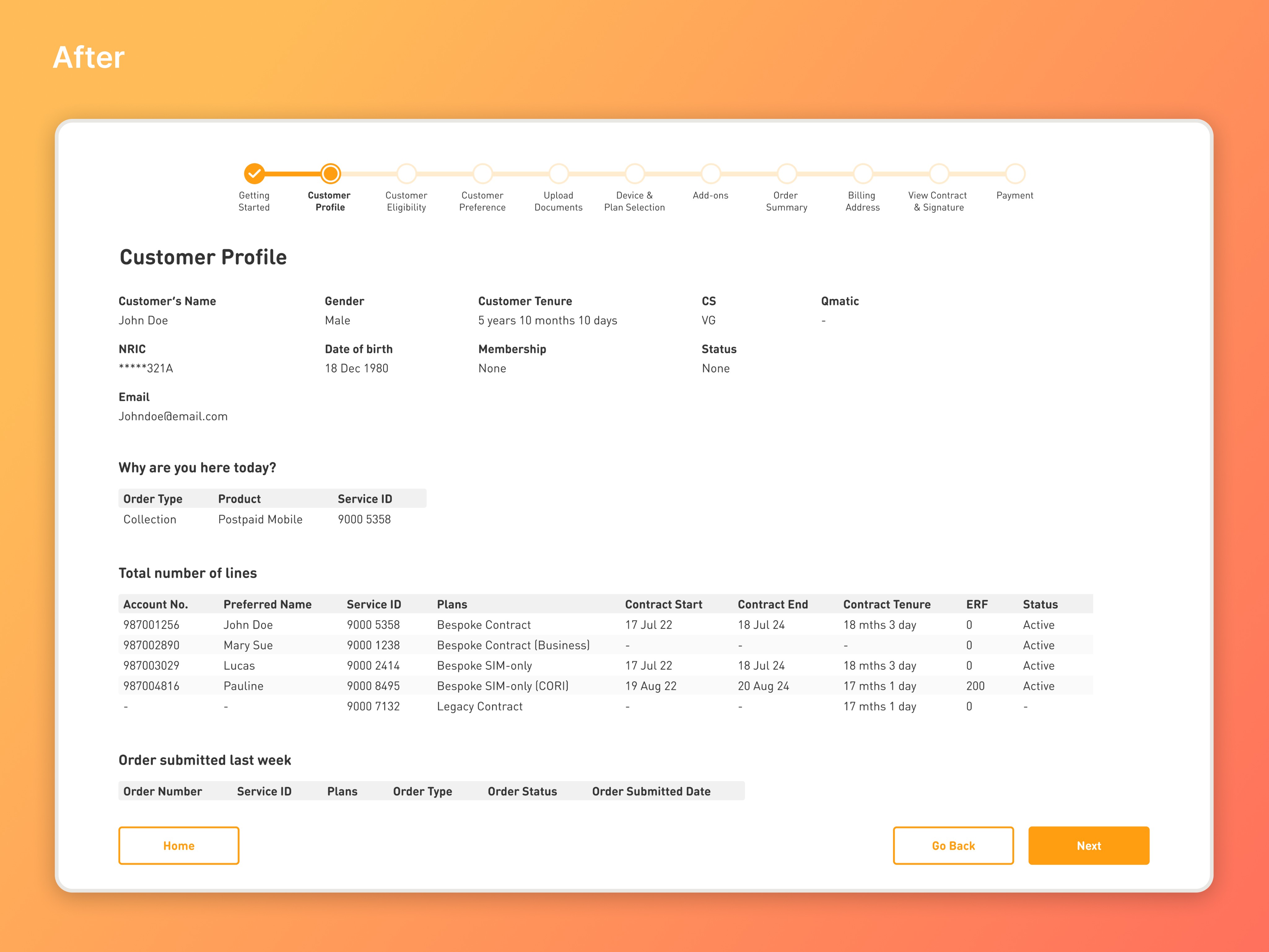
We improved the platform by making critical information easily accessible, reducing the need for users to switch between tabs and documents to retrieve necessary customer details.

Increase Information Transparency

We improved the platform by making critical information easily accessible, reducing the need for users to switch between tabs and documents to retrieve necessary customer details.

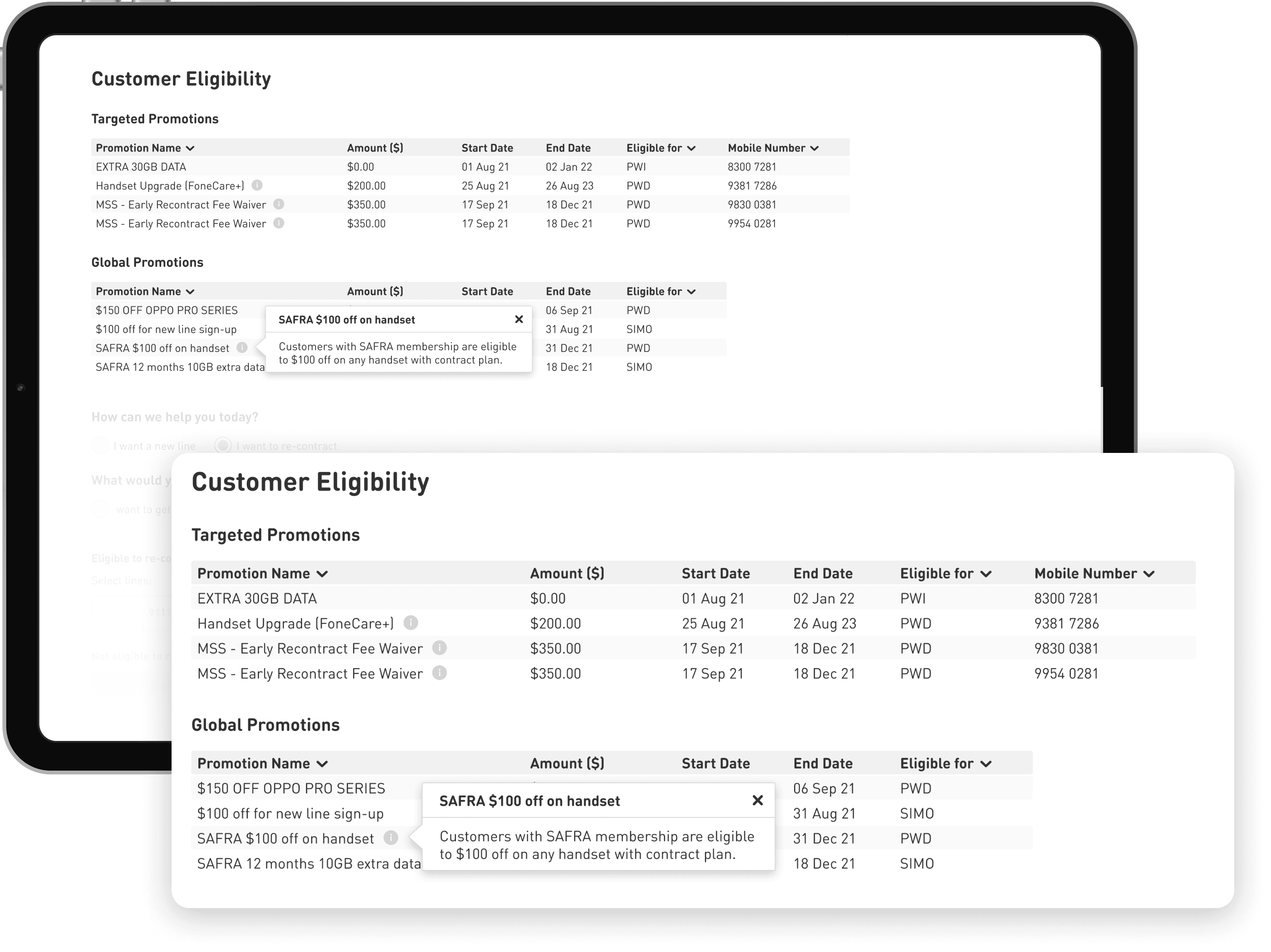
Simplify Tracking & Management of Promotions

The platform now sorts promotions based on customer eligibility and automatically applies them without requiring user input.

Simplify Tracking & Management of Promotions

The platform now sorts promotions based on customer eligibility and automatically applies them without requiring user input.

Improve Navigation & Create a Shorter Workflow

We redesigned the breadcrumb navigation, removed redundant inputs, and reorganised the workflow to provide a smoother, more intuitive user experience.

Improve Navigation & Create a Shorter Workflow

We redesigned the breadcrumb navigation, removed redundant inputs, and reorganised the workflow to provide a smoother, more intuitive user experience.

RESULT

Higher Platform Adoption Rates & Faster Transactions

After completing development and conducting thorough internal testing with users, the redesigned sales platform was launched in November 2021. The feedback from employees was overwhelmingly positive, with 87.5% of employees indicate a preference for the redesign.

The redesign resolved usability issues, reduced transaction times for customers, and provided employees with better access to information. This enabled employees to create more value-added opportunities, contributing to overall revenue growth.

Before

17 steps

To take finish an end-to-end transaction on the platform

6 mins

To complete an end-to-end transaction

After

12 steps

To take finish an end-to-end transaction on the platform

1.5 mins

To complete an end-to-end transaction

REFLECTION

Learning Experiences & Takeaways

  1. Respecting Legacy Systems
    Legacy systems, despite their usability issues, often exist due to historical decisions, backend limitations, and compliance requirements. I learned the importance of balancing innovative design with these constraints, viewing them as opportunities for creative problem-solving rather than barriers.


  2. Designing for Expert Users
    Designing an interface for expert users required a focus on technical terms and dense information, deviating from the typical simplicity-for-all design approach. I learned that incorporating tooltips helped maintain accessibility for newer users while catering to the needs of experienced ones.


  3. Generating Stakeholders Buy-in
    While the platform was designed for retail employees, securing support from management and key stakeholders was equally crucial. Their involvement streamlined the design process, provided valuable insights, and ensured that user needs aligned with the company’s broader business goals.